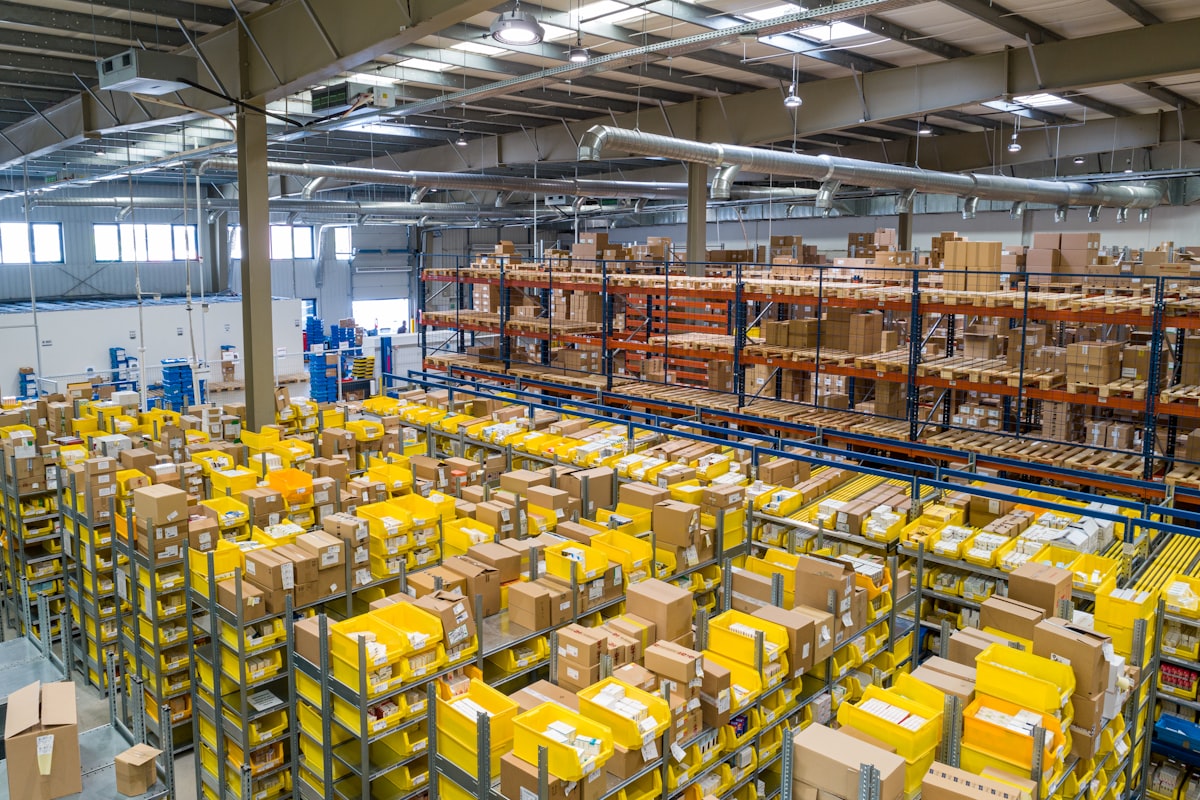
Every year, American consumers return tens of millions of brand-new laptops, noise-canceling headphones, and kitchen appliances to Amazon simply because the delivery box had a crushed corner or the buyer changed their mind.
Because commercial retail logistics prohibit re-selling opened boxes as brand-new inventory, Amazon routes these pristine items into its specialized “Amazon Resale” (formerly Amazon Warehouse) division at steep 20% to 50% price markdowns.
Understanding how Amazon’s inspection algorithms grade cosmetic conditions—paired with the identical 30-day money-back guarantee governing brand-new merchandise—allows budget-conscious tech buyers to save hundreds of dollars with zero risk.
Amazon Warehouse Condition Grades: Actual Condition vs. Average Discount
The table below translates Amazon Warehouse cosmetic grading labels into practical actual hardware conditions and average pricing discounts:
| Condition Grade | Packaging Status | Cosmetic Wear | Functional Status | Average Discount |
|---|---|---|---|---|
| Used – Like New | Original Box (Damaged/Resealed) | Zero Imperfections | 100% Fully Functional | 15% to 25% Off |
| Used – Very Good | Original or Repackaged Box | Minor Blemish (Under 1-inch) | 100% Fully Functional | 25% to 35% Off |
| Used – Good | Generic Brown Box | Moderate Cosmetic Scratches | 100% Fully Functional | 35% to 45% Off |
| Used – Acceptable | Generic Packaging | Visible Wear / Signs of Use | Functional (May Miss Manual) | 45% to 60% Off |
1. The 7 Insider Rules of Shopping Amazon Warehouse

Navigating open-box listings requires knowing how Amazon warehouse associates categorize returned inventory:
1. The “Packaging Damaged” Sweet Spot
Always click on “Item details” under the Used options on any Amazon product page. Look specifically for listings marked: “Packaging has minor cosmetic damage.”
This is the single best deal on Amazon. It indicates the product inside was never removed from its protective factory wrap. A conveyor belt or forklift dented the exterior cardboard shipping crate during transit, forcing Amazon to re-classify an untouched, 100% brand-new product as “Used – Like New” at a 20% discount.
2. Identical 30-Day Hassle-Free Return Rights
Many buyers avoid open-box merchandise out of fear that they will be stuck with a defective lemon.
Amazon backs all Warehouse purchases with its standard 30-day consumer return policy. If you unbox a monitor or espresso machine and notice any mechanical glitch, scratch, or missing accessory that fails to meet expectations, you simply print a free prepaid UPS label and drop it off for a 100% cash refund with zero restocking penalties.
3. The Extra 20% Prime Day Stacking Window
Twice every year—during the official July Amazon Prime Day and October Prime Big Deals Days—Amazon runs an automatic promotion offering an extra 20% off select Amazon Warehouse items at checkout.
This promotion stacks directly on top of existing open-box price reductions. A high-end Dyson vacuum or Sony noise-canceling headset already marked down by 30% drops by an additional 20% in your cart, resulting in an effective 44% total discount off retail MSRP.
4. The “Very Good” Tech Category Arbitrage
When buying premium metal and glass tech gear (like Apple iPads, Kindle Paperwhites, or mechanical keyboards), the “Used – Very Good” grade is where smart money hunts.
Amazon inspectors routinely downgrade items to “Very Good” simply because plastic cable ties were untied or original product manuals were wrinkled. In over 80% of cases, the actual screen and metal housing remain completely flawless.
5. Manufacturer Warranty Reality Check
Be aware that official manufacturer warranties (like Apple 1-Year Limited Warranty) vary on open-box goods.
While Apple typically honors warranties based on initial serial number activation date, some manufacturers (like Samsung or LG) state that commercial warranties apply only to the original purchaser of new units. Inspect items thoroughly during your 30-day Amazon return window, and consider adding third-party Asurion protection plans for complex appliances.
6. Best Categories to Buy (and What to Avoid)
Top categories for Warehouse deals include PC monitors, studio audio gear, power tools, cast iron cookware, and coffee grinders.
Categories to avoid include in-ear wireless earbuds (hygiene issues), gaming headsets with foam ear pads, and items with internal rechargeable batteries that may have sat uncharged in a warehouse facility for nine months.
7. Finding the Secret Warehouse Storefront
Amazon intentionally hides the direct link to its Warehouse storefront deep within navigation sub-menus to prioritize full-price new inventory.
To browse all current open-box markdowns by department, navigate directly to amazon.com/warehouse or select “Amazon Resale” from the search bar category dropdown menu. You can filter by discount percentage (such as 30% off or more) across computers, home improvement, and musical instruments.
8. Battery Health Diagnostics for Laptops & Tablets
When purchasing open-box MacBooks, iPads, or Windows laptops from Amazon Warehouse, testing the internal lithium-ion battery health is essential.
On Windows laptops, open PowerShell and run powercfg /batteryreport to generate an instant HTML report comparing design capacity against full charge capacity. On macOS, navigate to System Information and review the cycle count. If battery health is below 90% or cycle count exceeds 25 cycles on a “Like New” listing, Amazon customer support will issue a free prepaid return label or offer a 20% partial statement credit.
2. The 48-Hour Open-Box Testing Protocol
Whenever an Amazon Warehouse package arrives on your porch, follow this 4-step hardware audit before discarding the shipping box:
Step 1: Save the Original Shipping Label
Keep the cardboard exterior box and return shipping label intact for at least two weeks. If you decide to initiate an exchange or return, having the original barcoded box expedites drop-off scans at UPS or Kohl’s.
Step 2: Inventory All Included Accessories
Check the manual to confirm power adapters, proprietary charging cables, mounting brackets, and remote controls are present. If an essential accessory is missing, Amazon customer support will frequently offer a 15% partial refund if you prefer keeping the unit and buying an inexpensive third-party cable.
Step 3: Run Hardware Diagnostic Stress Tests
For computer monitors, load full-screen white and black test patterns on YouTube to verify zero dead pixels or backlight bleeding. For laptops, run battery health reports to confirm cycle count is under 10 cycles.
Step 4: Register Serial Numbers
Check the device serial number on the manufacturer’s official support website to determine whether the original factory warranty remains active or whether previous owners registered the product.
3. Realized Savings: Standard Retail vs. Amazon Resale Comps
Let’s look at three documented purchases comparing brand-new retail pricing against recorded Amazon Warehouse deals:
- Sony WH-1000XM5 Wireless Headphones: Brand New MSRP: $399.99. Amazon Warehouse (Used – Like New, packaging damaged): $278.50. Net Household Savings: $121.49 (30.4%).
- Breville Barista Touch Espresso Machine: Brand New MSRP: $999.95. Amazon Warehouse (Used – Very Good): $649.00. Net Household Savings: $350.95 (35.1%).
- Dell UltraSharp 27-inch 4K USB-C Monitor: Brand New MSRP: $579.99. Amazon Warehouse (Used – Like New): $388.20. Net Household Savings: $191.79 (33.1%).
Does Amazon clean and sanitize returned warehouse items?
Amazon warehouse technicians visually inspect, clean, and test returned items for basic operational functionality. However, they do not perform industrial-grade deep sanitization. When buying open-box kitchen gear, blenders, or handheld electronics, thoroughly wash removable food containers with hot soapy water and wipe down handles with isopropyl alcohol wipes before first use.
What happens if an Amazon Warehouse item stops working after 60 days?
Amazon’s direct return window closes after 30 days. If a mechanical failure occurs between days 31 and 365, you must contact the original manufacturer for warranty support or file a claim through third-party protection plans. For high-ticket items exceeding $400, purchasing an inexpensive 2-year Asurion warranty at checkout provides comprehensive repair and replacement coverage.
Why do some Amazon Warehouse items have yellow inspection stickers?
When an item arrives at an Amazon return fulfillment center, quality control auditors apply an official yellow or white barcode sticker labeled “LPN” (License Plate Network) to the box. This internal tracking code logs who inspected the product and confirms the assigned condition grade. Never peel this sticker off until you are 100% sure you are keeping the merchandise.
Can Amazon Prime members get free two-day shipping on Warehouse items?
Yes. All Amazon Warehouse (Amazon Resale) inventory is stored in and fulfilled directly from official Amazon fulfillment centers. As a result, Prime members receive identical free Two-Day, One-Day, and Same-Day delivery privileges on warehouse open-box orders.
Can you return an Amazon Warehouse item to Whole Foods, Kohl’s, or The UPS Store?
Yes. Amazon Warehouse (Amazon Resale) returns follow the exact same drop-off procedures as regular Amazon orders. You do not need to print a shipping label or purchase packaging tape. Simply generate a mobile return QR code on the Amazon app and present it at any local Whole Foods Market customer service counter, Kohl’s returns desk, or UPS Store. The associate scans your code, takes the item, and your refund is initiated immediately.
4. The Open-Box Buyer’s Action Checklist
- Bookmark the Resale Hub: Keep
amazon.com/warehousebookmarked for large tech purchases before paying full retail. - Target “Packaging Damaged”: Prioritize Used – Like New listings citing packaging damage for untouched factory-new contents.
- Test within 72 Hours: Unbox gear immediately upon arrival and run hardware diagnostic checks.
- Time Big Upgrades for Prime Day: Wait for July and October Prime sales to stack an extra 20% discount on open-box items.
Primary sources and current terms
Use these references to check the relevant rules and provider terms. Product availability, prices, and individual eligibility can change. Illustrative calculations are not guaranteed outcomes.